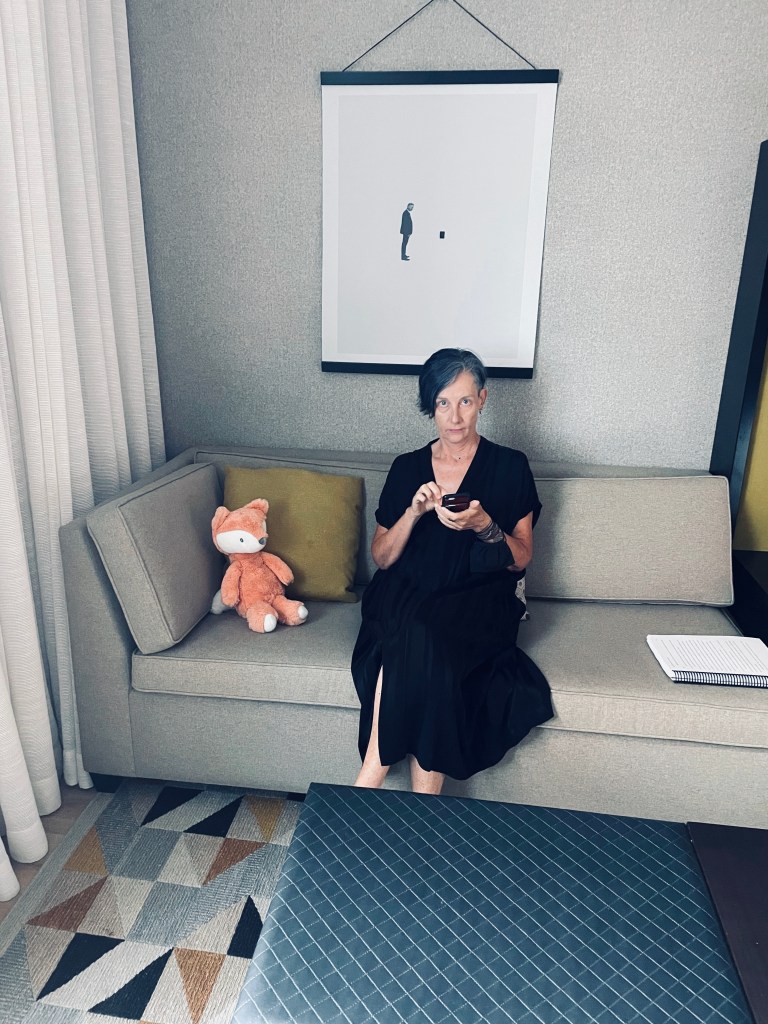
I’m currently staring at a white board across the room with index cards and magnets at the ready as I dismantle my current novel. I’ve also been repeating this Samuel Beckett quote: “Ever tried. Ever failed. No matter. Try again. Fail again. Fail better.” It encapsulates my state of mind currently. Playing with the word “fail.” I’m Play-Doh-ing the meaning into all sorts of alternate shapes, pressing my thumbs into how it can become something other than a drag. How it can look like freedom. For instance, in the traditional sense of it, fail is not a word I’d use for Simone Biles, yet in her decision to step back from Olympic activities in order to pay attention to her mental and physical well-being, she’s opened up a channel to what it means to live with your own and everyone else’s expectations. And what it is to be brutally honest—in the public eye, no less—about who you are and what you need. To me, she is failing better. Failing to compete means failing to stand on the metals podium, failing to become the person the world has come to expect. And the strength in that is, I think, her allowing space in her life to figure out what she needs right now. To let herself fail in one regard is to make room for her to succeed in another.
My particular failure project is just getting under way. I received some notes this week on the book I’ve been working on and they were both startling and, in a very specific way, invigorating. I have a lot of work to do and while I actually knew that to be the case, it was still surprising to hear and wrap my head and heart around how much more work than I’d thought. Mainly because I’d built this whole narrative where my manuscript was close enough that I’d just need a few tweaks, then could submit to agents in August given the fall months are no good (that’s the season of author’s publishing and agents shepherding their progress). But as the saying goes “(Wo)man plans, the gods laugh.” So I had to take a step back and reevaluate. First though, I had to deal with my emotional self. There’s so much wrapped up in the exposure of sharing a thing your heart is woven into. As a journalist, I not only welcome but need the outside editing voices, which means my critique-receiving muscle is pretty well exercised, but yet it still (and always) stings. That’s just part of the deal. There were tears. There was inner embarrassment around having shared the writing in the first place. There was frustration in thinking I can’t do this. There was fear in thinking I don’t know how to fix this. That all ebbed and flowed as I adjusted the view. On one level recognizing failure is also freedom. I can do whatever I want with this situation. I can stop altogether. But I don’t think I’m choosing that. I’m leaning toward understanding this element of the fail and going toward a do it better place.
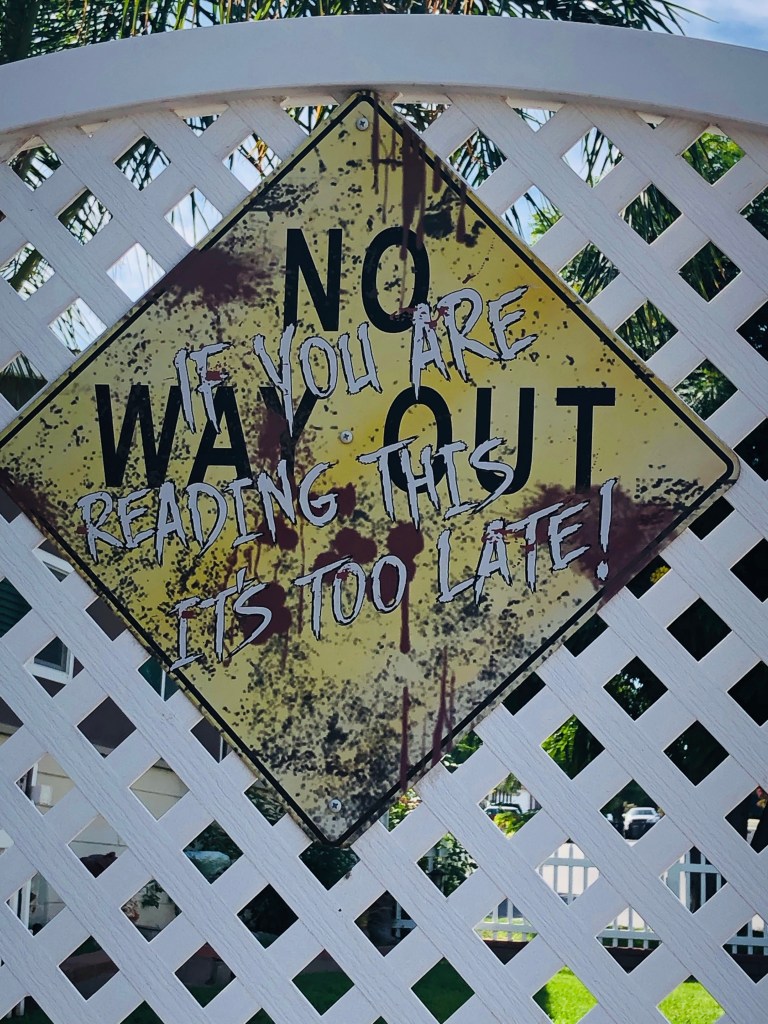
A few things have steered me in that direction this week: Checking in with my writing group and unloading all my fears post-critiques onto our forum. Because out of our group of twelve, five have gotten agents since our almost-year-long time together, and one of those five has been picked up by a publisher (after a bidding war, mind you). All of us came into the class in different stages of our novel and to be able to mix and match each other’s moments is invaluable. To be honest, for me there’s a sense of panic in not wanting to be left behind, which taken as a motivation to drive me is fine as long as I don’t let my I-want-that-too whiny self consume the conversation so that I stop doing the work. I got into this class after being accepted on the strength of my writing sample, which is just the beginning. The work of it is the thing. I revisited one of the sessions about editing/revising where the writer talks about how eager some authors are to be rejected because they’re in a hurry to send out their tenth first draft. And by that he was saying you can revise a first draft to death, all you’re doing is moving around sentences, you’re not actually getting at the hard stuff of eliminating scenes, characters, sharpening plots, moving the story forward. And right now I’ve been spit-shining my first draft. Not yet started the hard work (I mean, it was work to actually write the thing, but this is a different requirement, less world-building whimsy, more brutal, tactical decision-making). To me, my first draft of anything is a blob of clay I’ve fashioned into something, but if I don’t remember to step back and take in the whole thing, I can’t see that there are parts popping up in the wrong place. The thing has three noses, eyes on its toes, no damn clothes….
Also helpful this week: Listening to author Douglas Stuart, Shuggie Bain (winner of Booker Prize), on Write-Off, a podcast about writerly rejection. Brilliant in that he talks about the book being rejected by 30+ publishers, not because they felt it was badly written, but because they didn’t know how to market it. Okay, so sure, everyone can relate to a rejection/redemption story. But the part of the podcast I loved was the bit where he talks about his first draft. It was 900 pages long, single-spaced. For a first draft, that’s not out of this world because the point is to just let the story rip. Build the world, place the people, etc. Yet, the thing that made me smile was that his husband read it and attempted to give him notes, so at first there are thoughtful questions and comments, then about a-quarter of the way through his hubby started writing things like “NO” and “Stop” and “Do better” in the margins. Douglas was laughing about it, but at the time he said it was unnerving in that he didn’t quite know how to fix anything. But he did go in and fix it. He worked on it on and off for ten years. He started another book as Shuggie was getting rejections. When asked his motivation, he simply said “I have to write. That’s the thing.” Another favorite podcast, This Jungian Life, had an episode on Letting Go: When Is It Time. The topic is broad-ranging (relationships, personal connections, etc.) but for me it struck a chord on the topic of creativity, writing, and publishing. What resonated: That if there’s still passion in any way for the thing you’re doing, if a voice says yes keep going even as other voices may try and talk you out of it, to take the time to listen to your gut despite thinking you’re just having indigestion, then that’s an indication to keep. going. Recognize the why of doing it rather than only the what it might mean to the wider world or someone else.
That’s not to suggest I don’t still want a novel of mine to see the overhead light of a bookstore, library, etc. Sure I could self-publish, but I’m not interested in that mainly because there is a process of editing and the input of others that I love. The writer in our group who is furthest along with agent/publisher activity has been taking us along on the steps. First, after getting an agent there are changes they suggest having to do as much with what they know publishers are looking for as with making the book better. A writer takes and makes as many of those changes as they feel resonate. Then once the MS is sold developmental edits are sent to the author. In her case, her UK and US agents have combined their notes and changes and given her some months to make the ones she agrees with. She says she’ll make most of them, but reject others, which is part of the process of listening to your own vision for your work while also allowing others to offer perspective. There will be line and copy edits once the work moves into the final publishing stages. It is always a living breathing thing up until the moment it enters the printing press. And her perspective has shifted, where once she was afraid she’d never get a good draft done and find an agent, now she realizes how weird it will be when there’s zero chance of any changes being made because it’s out there in people’s hands. Her book has changed tremendously from the first draft, but the bones remain. While some people wonder, well why not just send what you’ve got, since the thing changes so much in the end? But no, as the author/owner of the story—the parent as it were—you have to fortify the bones, help it grow. Develop its muscle so that when you meet that novel in an alleyway, it can immediately tell you who it is and why it’s there. Inventing, raising, nurturing. Skinned knees, falling down, getting back up. Learning to walk. Learning to fail and trying again. Aiming to fail better.
 Does This Make Me Look