
“They can’t say no if they’re unconscious.” Overheard. Neighbor next door. zzzzzt. sound of my adrenaline amping up. heart in ears, head exploding. While I fully understand that he is in fact the one unconscious, and that ultimately he’s not worth even one more mention on this page (or in life), what washed me with acid was how the words, stacked one on top of the other, remind me that misogyny is an active construction site with workers scrambling away turning comments into walls, floors, and add-ons of hatred. And no, don’t tell me this is just someone making a joke and to lighten up. It’s most definitely not and I most certainly won’t.
I have so many thoughts here, I hardly know where to begin. “Start again.” I first heard those words during a meditation retreat years ago as a reminder that we’re constantly starting, constantly failing, constantly achieving, then falling away again. And, ultimately, starting. Again. And it’s all absolutely part of what we do to be human. So in the spirit of that, here’s where I’ll start. I’ve heard tell that getting to know a person one-on-one is a way to understand and/or cross great divides. I understand that. I think I’ve even done it once or twice. Yet, for me, when I hear words that tell me a person is violent toward an entire swathe of humanity, then how’m I gonna even find a common welcome mat to cross in order to have a conversation. That door’s shut. In fact, I can’t even find the damn door. Or window. So where to begin? Words are powerful. What lies beneath them even more so.
It’s not lost on me that as a white woman of privilege, I haven’t lived in the daily/hourly barrage of buckshot nouns, verbs, adjectives, and all other attendant word weapons hurled toward people of color, folx in the LGBTQ community, all those who are disabled or differently oriented in any way. To be constantly in that place is to understand why stress, anxiety, and also anger, rage bring on very real consequences in our health-care and penal systems. To suggest people just get over it is to literally miss the point. How do we work with that? More listening? This seems at least a beginning, even if the ones I wish would turn their ears to the conversation don’t seem interested.
Years ago, during a silent retreat, there was much talk about misery. Those who live in it. Nothing to do with money, housing, earth-based comforts of any kind, but rather the misery of living in a mind where your thoughts are made up of fear of other, vindictiveness, anger. The goal of understanding that person’s misery, not feeling sorry in a patronizing way, but more accepting that’s the space of hell they live in. Whether that will change for them is not up to me, although there is thought that change can happen. So I can hold that idea, yet most the time I feel frustrated and not that generous.
Today, after the overhearing, my thoughts were a raging whirlpool, so I reached out to two people who listened and made sure I was fine to go out and play in traffic, which basically meant riding my bike to the Y, getting in the pool and swimming a bunch of laps while working the emotional adrenaline into trails. The day was sharp and bright. One of those chamber of commerce affairs (my friend Elizabeth reminded me of this term) that are so iconic with palm trees and blue sky that you can imagine it being on the front of a SoCal brochure.There was a delightful woman at the Y who said jolly things that made me smile. I was happy to feel some lightness. Then I came home and wrote it out. Able to feel more conscious about what I wanted to say than I had earlier. I appreciate that.
There are many more things to say, of course. Maybe a part 2 to this regarding the root of my own history with being in a room while people are saying and doing inappropriate things. How I regret not being more conscious in those moments. About the delivery system of words and how they can shatter, bolster, make people question. (I include here two interesting takes on what word/actions/images can move people to do: Dave Chappelle. Bright Sheng. These are both also available outside the NYTimes system.)
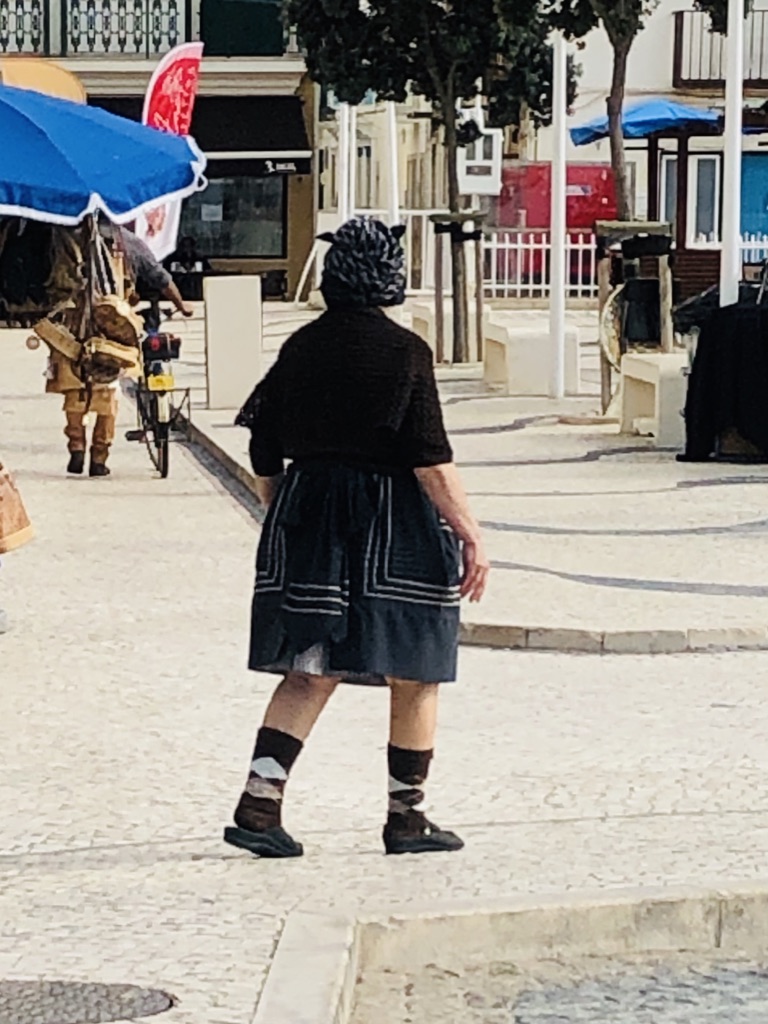
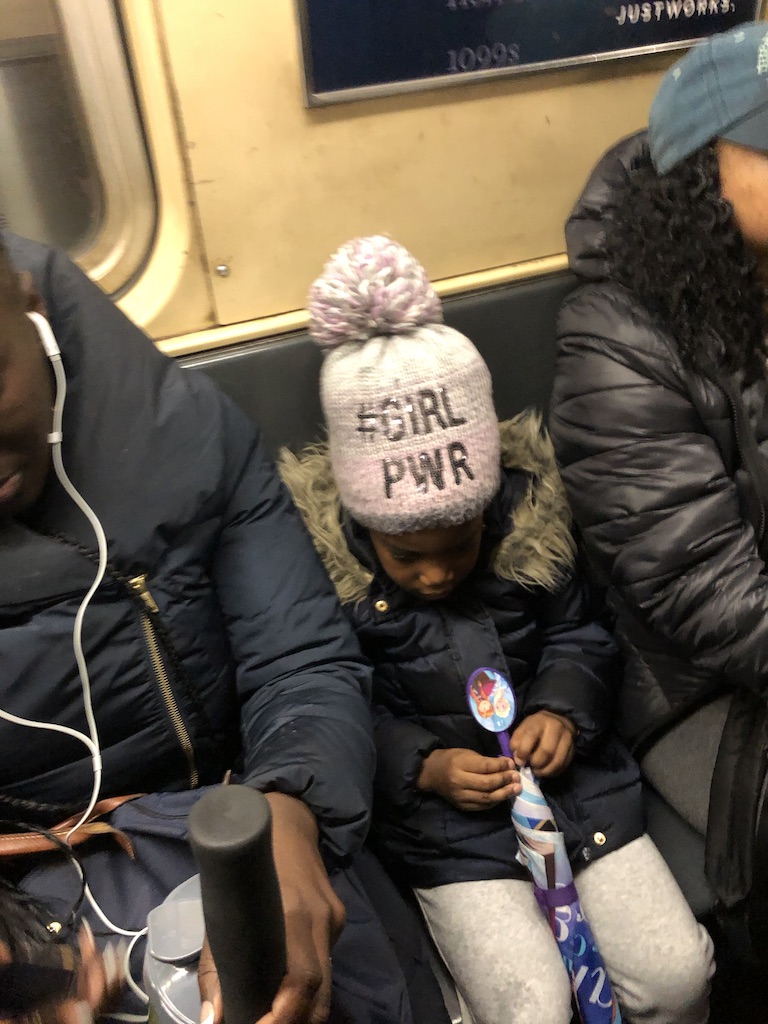
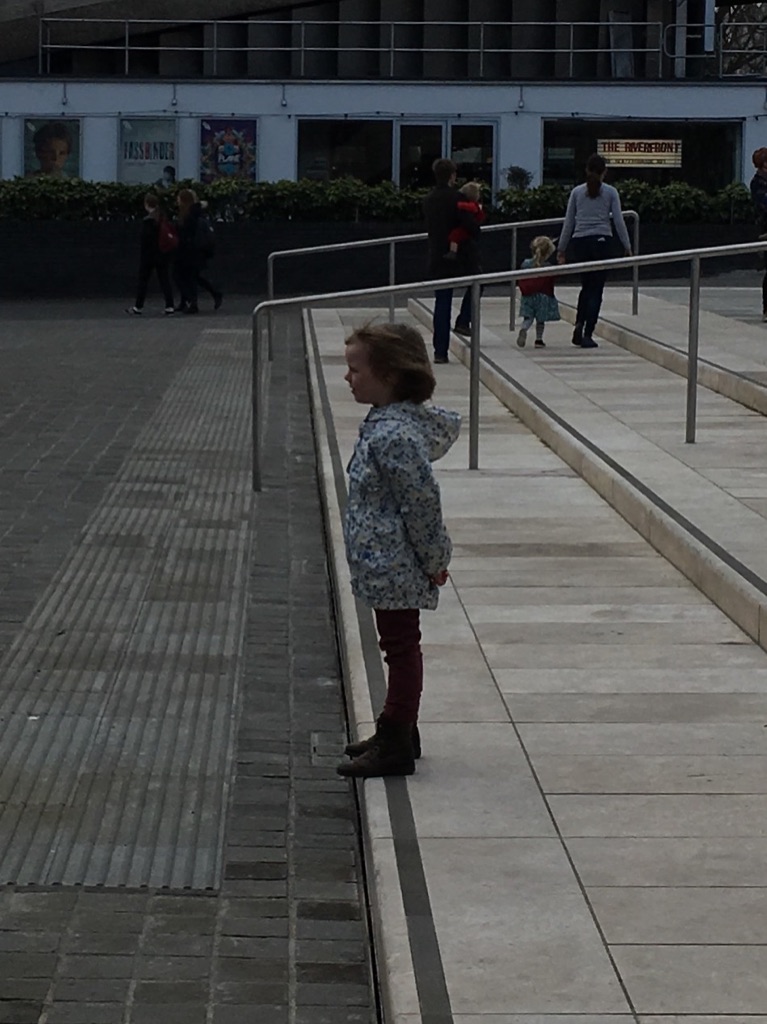
What I want for the women on this page, who I’ve snapped over the last many years, is that if they’re wee ones, they have powerful humans around them to remind that when they run into misogynists, which they no doubt will because I don’t think they’re going away anytime soon, that they have a strong scaffolding of enlightened people around them to explain about how misery in others works. For the olders/wisers among us, that we are both the scaffolding and the building blocks to pave the message that misery doesn’t have any place in our house.
 Does This Make Me Look